Infrastructure

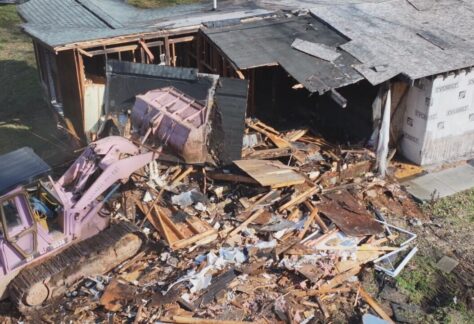
Drive along the I-85 corridor through District 1 and you’ll notice something different at several key intersections. The underpasses at Clairmont Road, Pleasantdale, Shallowford Road and Chamblee Tucker Road are cleaner and safer than they’ve been in years.

This work didn’t happen by accident. Tommy Phillips, DeKalb County’s Community Development Coordinator for Housing, has been coordinating with contractors to systematically address these areas. The Clairmont Road underpass has been completed, along with Pleasantdale. Work continues at Shallowford Road and Chamblee Tucker Road, with crews making steady progress at each location.

More Than Just Cleanup

These underpass improvements represent the visible side of District 1’s response to homelessness, but they’re only part of a much larger effort. Since 2021, we’ve invested over $1.1 million in programs designed to help people experiencing homelessness get back on their feet.

The reality is that cleaning an underpass addresses the immediate concern for residents and businesses in the area. But unless we’re also connecting people to services, providing pathways to stable housing and addressing the root causes of homelessness, we’re just moving the problem somewhere else.

That’s why our approach has two components: maintaining safe, clean public spaces while simultaneously investing in the organizations and programs that actually help people transition out of homelessness.

Investing in Real Solutions

District 1 has directed funding to organizations with proven track records:

  • St. Vincent de Paul has received $231,000 across multiple programs including their Motel-to-Home initiative ($125,000), emergency eviction assistance ($100,000), and support for shower programs through the Chamblee Homeless Coalition ($6,000). These programs help families avoid homelessness in the first place or transition back to stable housing.
  • Frontline Response received $400,000 for their DASH Program focused on homeless outreach ($100,000), a Village Impact Fund Study to better understand homelessness patterns in our area ($100,000), and a homeless transportation program ($200,000) that removes a basic barrier many people face when trying to access services or employment.
  • DeKalb Community Development received $200,000 for direct homeless outreach work. This is the foundation of everything else—meeting people where they are, building trust, and connecting them to the services they need.
  • Tucker First United Church received $40,000 for their shower program. Access to basic hygiene facilities can be the difference between someone being able to interview for a job or not.
  • Community Partnership Against Crime (CPAC) received $200,000 for rental assistance through CARES funding, helping families stay housed during financial emergencies.
  • SPARC received $30,000 for a Motel Community Assessment, helping us understand the challenges facing families living in extended stay motels along our corridors.

These investments total $1,101,000 and come from a combination of one-time federal funding sources—including American Rescue Plan (ARP) funds, ARP interest, and CARES Act funding—along with local discretionary funds. As these federal pandemic relief programs wind down, we’re exploring sustainable funding mechanisms to continue supporting these vital services.

A Coordinated Approach

Phillips’ work coordinating the underpass cleanups while simultaneously managing housing programs reflects the balanced approach we need: maintaining quality of life in our neighborhoods while creating real pathways for people to exit homelessness.

The underpass work goes hand-in-hand with our outreach efforts. As we clean and maintain these public spaces, our partners are simultaneously connecting with people who need services, ensuring they have pathways to housing and support. It only works as a long-term solution when both happen together.

What Comes Next

The cleanup work along the I-85 corridor will continue, with additional locations being assessed and addressed as needed. Meanwhile, the funded programs continue their daily work of connecting people to housing, preventing evictions and providing the basic services that help someone stabilize their situation.

DeKalb County has also launched a broader Integrated Community Care Initiative with federal funding reaching multiple nonprofit partners countywide. District 1’s investments complement this larger effort, ensuring our communities have both immediate improvements and long-term solutions.

Homelessness is a complex challenge that requires both immediate action and sustained commitment. The million-plus dollars in federal pandemic relief funding allowed District 1 to establish partnerships and programs that are making a real difference. Now the work ahead is ensuring these services continue—through a combination of county resources, grant opportunities, public-private partnerships, and advocacy for state and federal support.

For questions about District 1’s homelessness initiatives or to report concerns in your community, contact our office at district1@dekalbcountyga.gov. For housing assistance or homelessness services in DeKalb County, contact DeKalb County Coordinated Entry at (404) 687-3500, Monday through Friday, 9 a.m. to 5 p.m.
Addressing Homelessness in District 1: Visible Progress and Long-Term Solutions

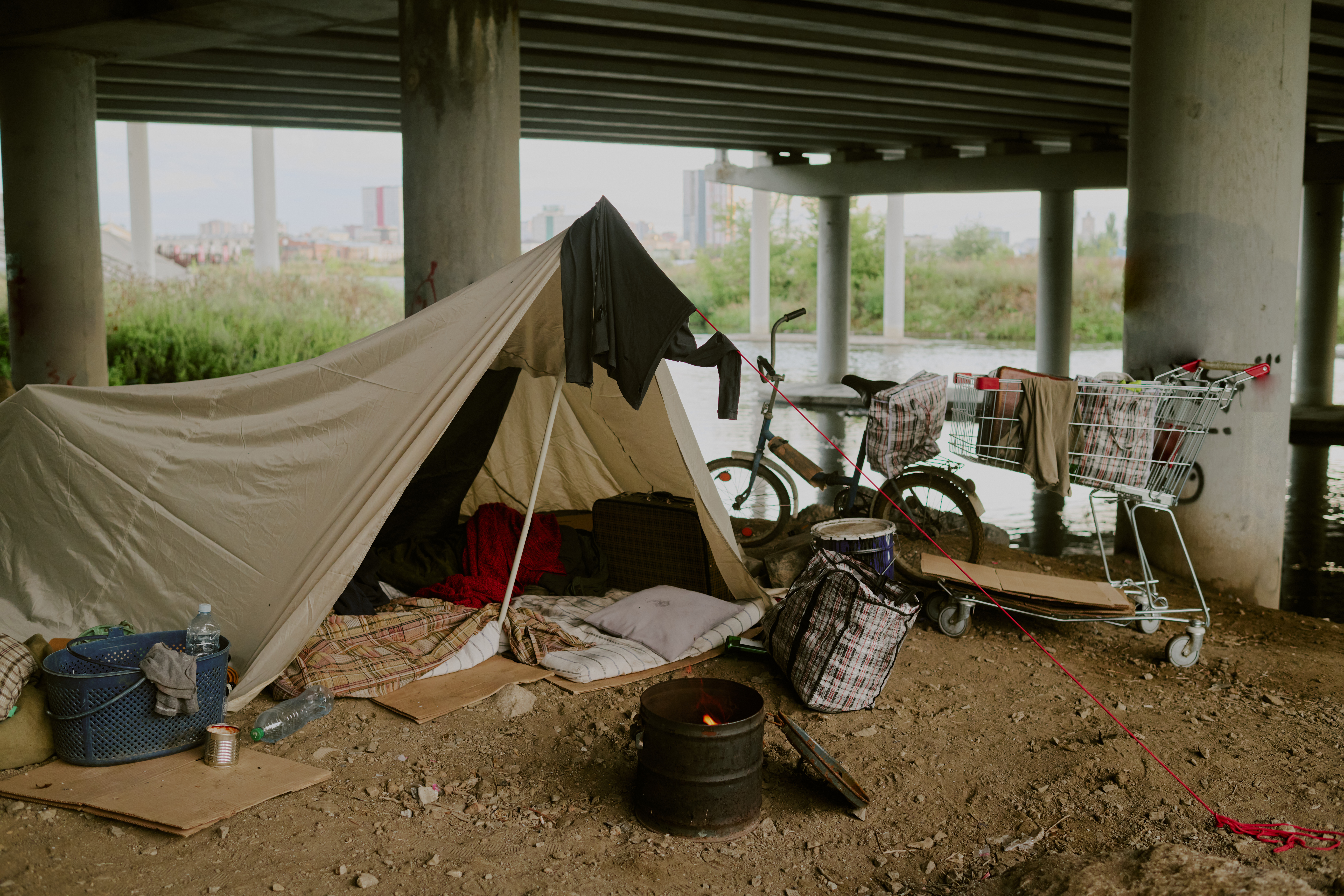
Drive along the I-85 corridor through District 1 and you'll notice something different at several key intersections. The underpasses at Clairmont Road, Pleasantdale, Shallowford Road and Chamblee Tucker Road are cleaner and safer than they've been in years.

This work didn't happen by accident. Tommy Phillips, DeKalb County's Community Development Coordinator for Housing, has been coordinating with contractors to systematically address these areas. The Clairmont Road underpass has been completed, along with Pleasantdale. Work continues at Shallowford Road and Chamblee Tucker Road, with crews making steady progress at each location.

More Than Just Cleanup

These underpass improvements represent the visible side of District 1's response to homelessness, but they're only part of a much larger effort. Since 2021, we've invested over $1.1 million in programs designed to help people experiencing homelessness get back on their feet.

The reality is that cleaning an underpass addresses the immediate concern for residents and businesses in the area. But unless we're also connecting people to services, providing pathways to stable housing and addressing the root causes of homelessness, we're just moving the problem somewhere else.

That's why our approach has two components: maintaining safe, clean public spaces while simultaneously investing in the organizations and programs that actually help people transition out of homelessness.

Investing in Real Solutions

District 1 has directed funding to organizations with proven track records:

  • St. Vincent de Paul has received $231,000 across multiple programs including their Motel-to-Home initiative ($125,000), emergency eviction assistance ($100,000), and support for shower programs through the Chamblee Homeless Coalition ($6,000). These programs help families avoid homelessness in the first place or transition back to stable housing.
  • Frontline Response received $400,000 for their DASH Program focused on homeless outreach ($100,000), a Village Impact Fund Study to better understand homelessness patterns in our area ($100,000), and a homeless transportation program ($200,000) that removes a basic barrier many people face when trying to access services or employment.
  • DeKalb Community Development received $200,000 for direct homeless outreach work. This is the foundation of everything else—meeting people where they are, building trust, and connecting them to the services they need.
  • Tucker First United Church received $40,000 for their shower program. Access to basic hygiene facilities can be the difference between someone being able to interview for a job or not.
  • Community Partnership Against Crime (CPAC) received $200,000 for rental assistance through CARES funding, helping families stay housed during financial emergencies.
  • SPARC received $30,000 for a Motel Community Assessment, helping us understand the challenges facing families living in extended stay motels along our corridors.

These investments total $1,101,000 and come from a combination of one-time federal funding sources—including American Rescue Plan (ARP) funds, ARP interest, and CARES Act funding—along with local discretionary funds. As these federal pandemic relief programs wind down, we're exploring sustainable funding mechanisms to continue supporting these vital services.

A Coordinated Approach

Phillips’ work coordinating the underpass cleanups while simultaneously managing housing programs reflects the balanced approach we need: maintaining quality of life in our neighborhoods while creating real pathways for people to exit homelessness.

The underpass work goes hand-in-hand with our outreach efforts. As we clean and maintain these public spaces, our partners are simultaneously connecting with people who need services, ensuring they have pathways to housing and support. It only works as a long-term solution when both happen together.

What Comes Next

The cleanup work along the I-85 corridor will continue, with additional locations being assessed and addressed as needed. Meanwhile, the funded programs continue their daily work of connecting people to housing, preventing evictions and providing the basic services that help someone stabilize their situation.

DeKalb County has also launched a broader Integrated Community Care Initiative with federal funding reaching multiple nonprofit partners countywide. District 1's investments complement this larger effort, ensuring our communities have both immediate improvements and long-term solutions.

Homelessness is a complex challenge that requires both immediate action and sustained commitment. The million-plus dollars in federal pandemic relief funding allowed District 1 to establish partnerships and programs that are making a real difference. Now the work ahead is ensuring these services continue—through a combination of county resources, grant opportunities, public-private partnerships, and advocacy for state and federal support.

For questions about District 1's homelessness initiatives or to report concerns in your community, contact our office at district1@dekalbcountyga.gov. For housing assistance or homelessness services in DeKalb County, contact DeKalb County Coordinated Entry at (404) 687-3500, Monday through Friday, 9 a.m. to 5 p.m.
Related Posts